Site Assessment Service Regions Automation roadmap for multidirectional truck cutover
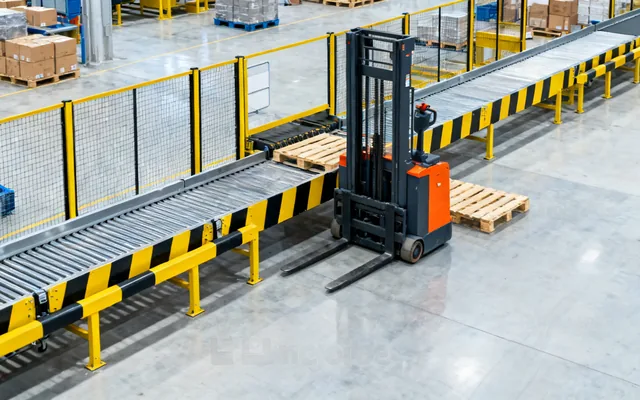
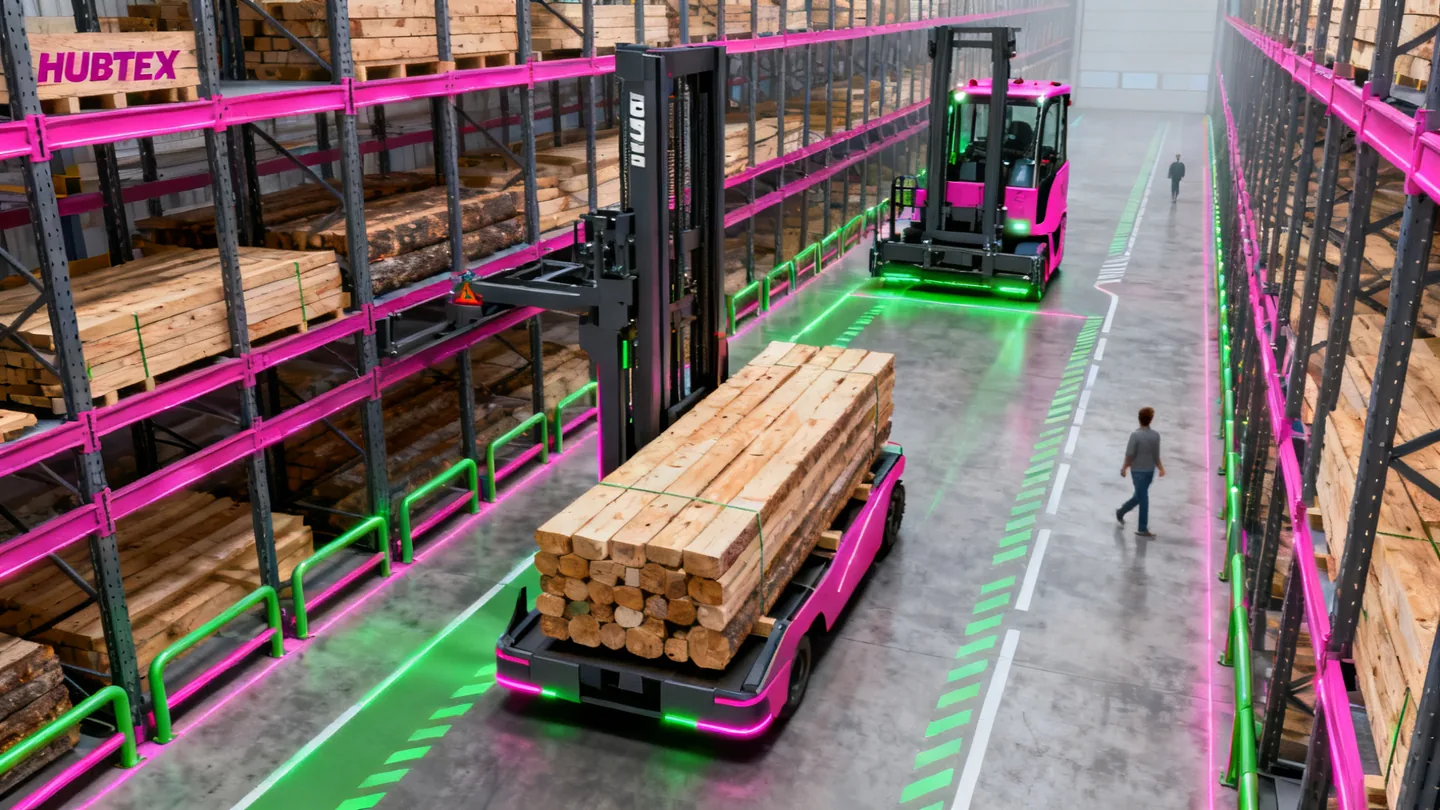
HUBTEX multidirectional forklift automation cell with long loads and safety scan zones
Multidirectional trucks · residual capacity · peak windows

HUBTEX multidirectional forklift flow shaped for adaptive warehouse scale

Select four-way trucks, side loaders and pallet handlers against load center, aisle clear width, floor class and the peak order window that actually governs outbound—not a brochure rate detached from residual capacity.

Enter the Digital Twin Lab
From assumptions to selection

Four boundaries that keep HUBTEX truck decisions testable

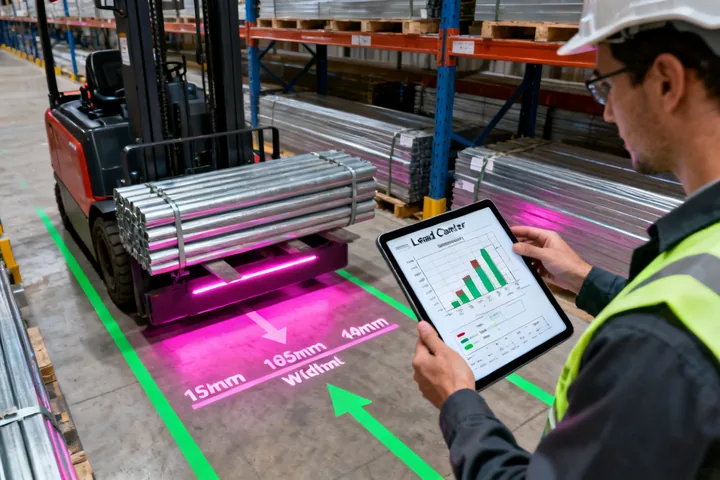
HUBTEX load and duty engineering review at rack face
01

Load & duty engineering

Review load center in mm, pack dimensions, fork length, aisle geometry, floor condition, duty cycle and residual capacity before a multidirectional platform is frozen for procurement. Peak claims must include SKU mix, replenishment competition and exception recovery so the first shortlist is not a catalog guess.
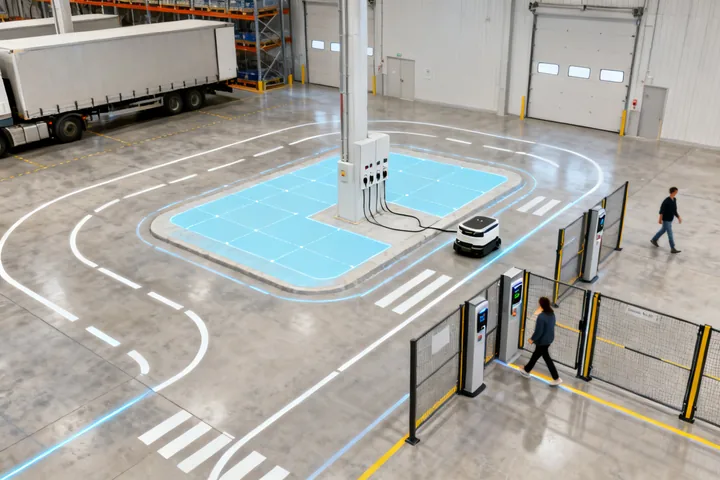
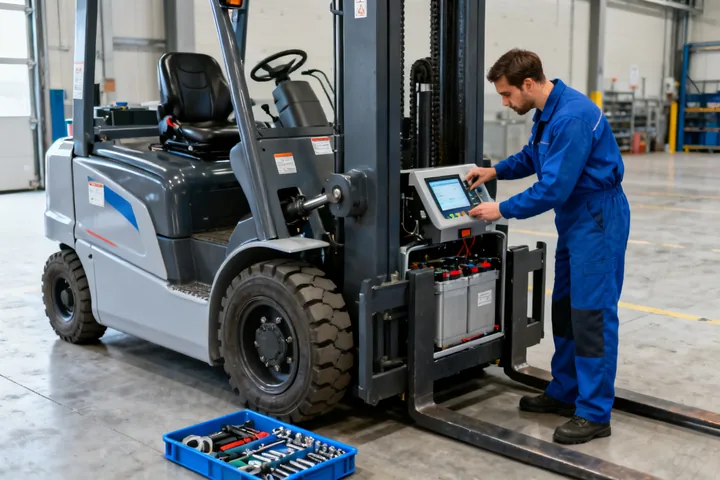
HUBTEX fleet route and safety field planning
02

Robot fleet & traffic safety

Define fleet routes, scanner fields, charging, traffic priority and truck-to-control exception handling as requirements that can be demonstrated. When long-load trucks share corridors with pedestrians or AMR fleets, exclusion zones stay on the layout rather than deferred to commissioning week.

HUBTEX lifecycle serviceability access on industrial truck
03

Lifecycle serviceability

Keep maintenance access, diagnostics, critical spares and recovery procedures visible before operational handover. Application, integration and documentation support scale by project scope rather than a universal network slogan.

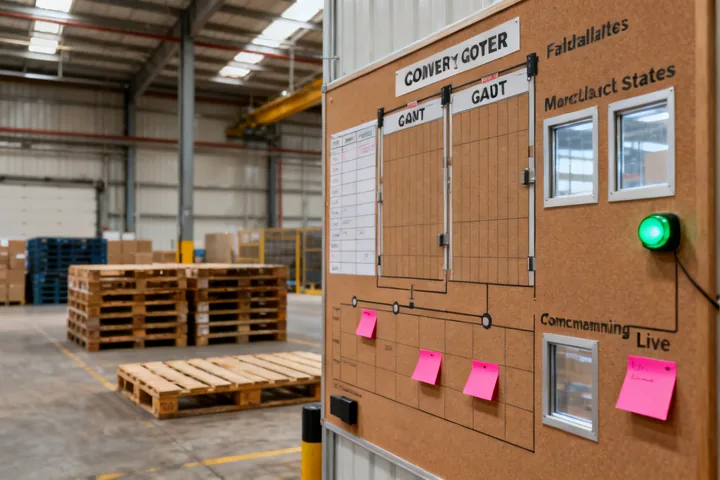
HUBTEX phased cutover planning board for truck fleet
04

Phased project delivery

Protect live operations with controlled cutover, fallback states, commissioning windows and measurable acceptance gates for each zone. A simulated result is never treated as installed-site proof until FAT and SAT evidence close the same scenario register.

Product by flow stage

Organize HUBTEX equipment around Receive to Ship

Cards follow material flow rather than abstract technology brands. Open an inquiry when the governing load and route are known.

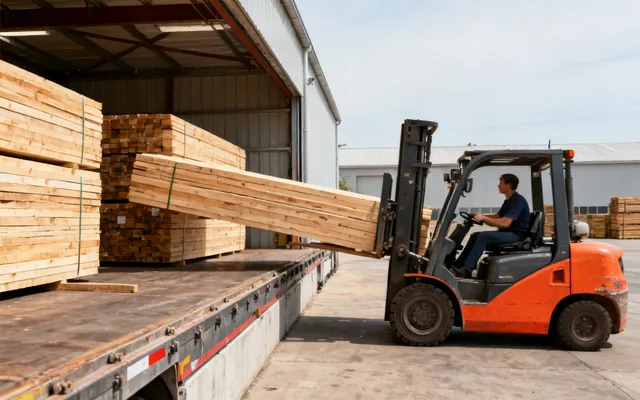
HUBTEX inbound long-load staging truck

Inbound long-load intake

Four-way trucks sized for pack length, residual capacity at stated load center and dock-to-aisle turning points.

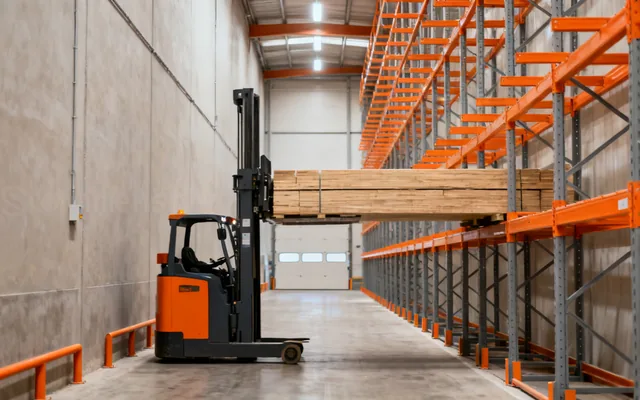
HUBTEX side loader in dense rack aisle

Dense aisle side loading

Side loaders matched to rack face height, selectivity targets and fire/maintenance access that density must still protect.

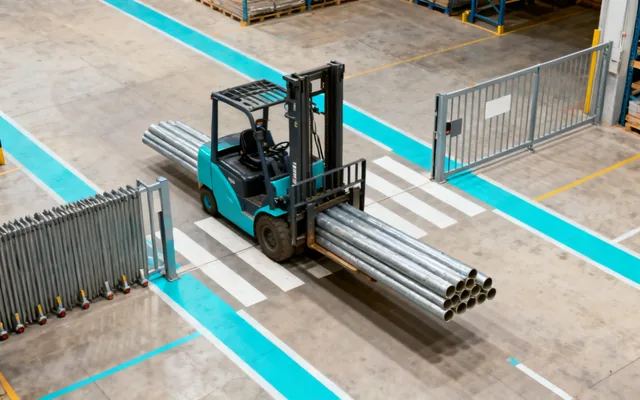
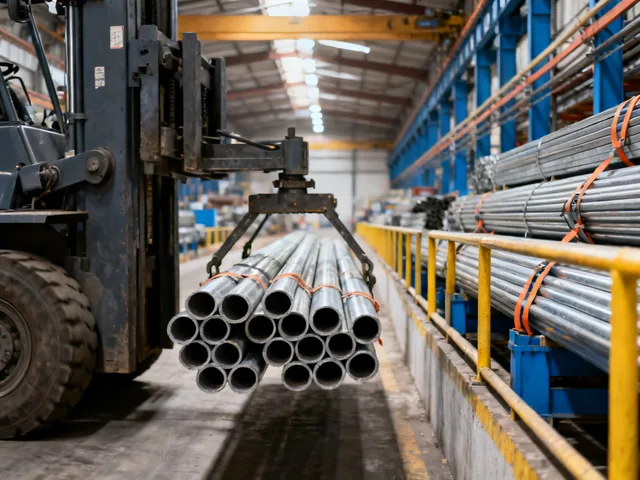
HUBTEX multidirectional travel with steel lengths

Multidirectional long-load travel

Travel modes that keep long loads inside aisle envelopes while duty cycle and floor class stay inside residual-capacity limits.

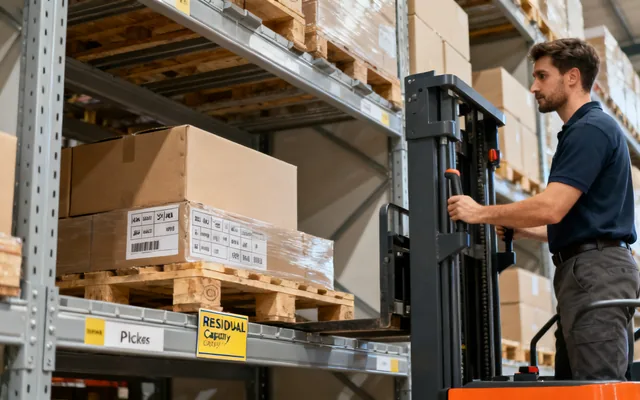
HUBTEX order picker at pick face

Pick-face access trucks

Order pickers and stackers sized to pick-face height, SKU velocity and replenishment competition during peak waves.

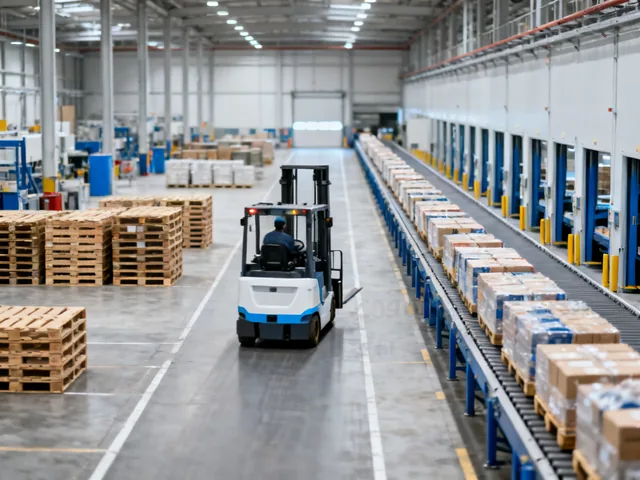
HUBTEX exception buffer with pallet handlers

Exception buffer handling

Pallet handlers that absorb wave breaks when divert accuracy or merge logic pushes work back onto truck duty assumptions.

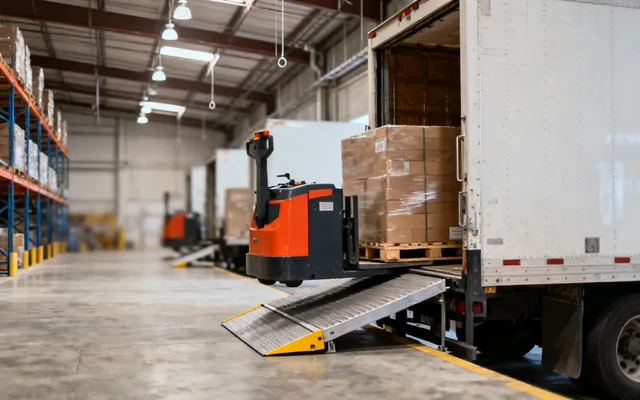
HUBTEX dispatch staging with pallet trucks

Dispatch window staging

Staging trucks sized to cutoff logic, trailer mix and recovery clocks that protect shipping windows under reduced fleet.

Open the dynamic product catalog →
FAT / SAT evidence rail

Acceptance gates that survive after the handshake

Design rate Boundary

Pallets/hour or order lines/hour stated with SKU mix, peak duration, buffer occupancy and recovery assumptions.

Scenario register →
FAT Factory gate

Representative load centers, travel modes and interface messages exercised before equipment leaves the build scope.

FAT packaging →
SAT Site gate

Aisle measurements, floor class, traffic rules and fault cases proven on the live layout with named owners.

Evidence matrix →
Service response Lifecycle

Diagnostics access, critical spares classes and recovery clocks defined before operational handover.

Request boundary →

Planning-range references such as founding year 2003, 23 years of application context, 250+ people, coverage across 26 countries and 900+ configurable SKUs structure conversation only. They are not independently verified public claims.

Operating profiles

Industries where HUBTEX trucks absorb real geometry

Each vertical brings different pack lengths, peak factors and aisle constraints. Truck selection follows the profile, not a generic industry slogan.

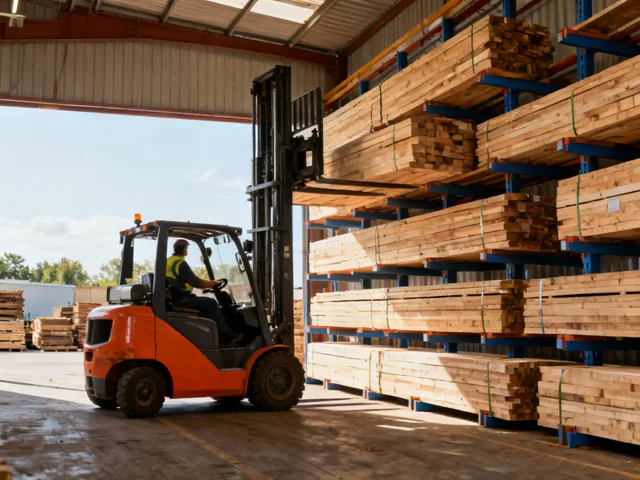
Timber and building materials yard with multidirectional truck

Timber & building materials

Long packs, variable moisture weight and outdoor-to-indoor floor transitions that change residual capacity mid-shift.

Metals and pipe distribution with side loader

Metals & pipe yards

Bundle length, center-of-gravity shifts and cantilever selectivity that punish optimistic aisle assumptions.

Manufacturing distribution with pallet and long-load mix

Manufacturing distribution

Mixed pallet and long-load missions competing for the same crossings during production release peaks.

Compare industry operating profiles →
Engineering RFQ

Share the warehouse data HUBTEX needs before a shortlist hardens

Adaptive warehouse flow only scales when load units, order profiles and interface ownership are written into the same brief. Bring the facts that change residual capacity and acceptance gates—not a platform name alone.

  • Load unit Rated kg at stated mm, pack length, overhang
  • SKU / order profile Velocity bands, wave cutoffs, replenishment
  • Peak rate Duration, buffer occupancy, unserved missions
  • Interfaces WMS / WCS / PLC / FMS ownership & timeouts
  • Site constraints Aisle mm, floor class, charging, pedestrian gates